UK plumbing emergencies rise by roughly 15% every autumn and winter, and a single severe cold snap can push burst-pipe call-outs up by a third — during the 2024 winter freeze, burst pipes in exposed Essex properties rose 35% almost overnight. An average burst pipe releases 400-600 litres of water an hour, so when it happens, a homeowner isn’t comparison-shopping for days; they’re searching on their phone — over 70% of plumbing searches happen on mobile — for whoever looks real, local, and available right now.
Why a Slow Website Costs You Exactly the Jobs That Pay Best
Emergency call-outs are where the money is — UK emergency plumbing rates typically run £80-200 an hour in normal hours, £150-350 out of hours — but they’re also where a slow, cluttered, or unclear website loses you the job outright. If a homeowner can’t tell within seconds that you’re available, Gas Safe registered, and easy to reach, they’re calling the next result down, not scrolling further to find your phone number.
Registration matters just as much as speed. Gas Safe Register is the legal requirement for anyone working on gas appliances; WaterSafe confirms a plumber won’t contaminate a home’s drinking water system; OFTEC covers oil heating systems. All three belong near the top of the page and in the footer, not buried in an “about us” paragraph — Google itself also tends to rank a proper website above a business relying on its Google Business Profile alone, so the two need to work together, not instead of each other.
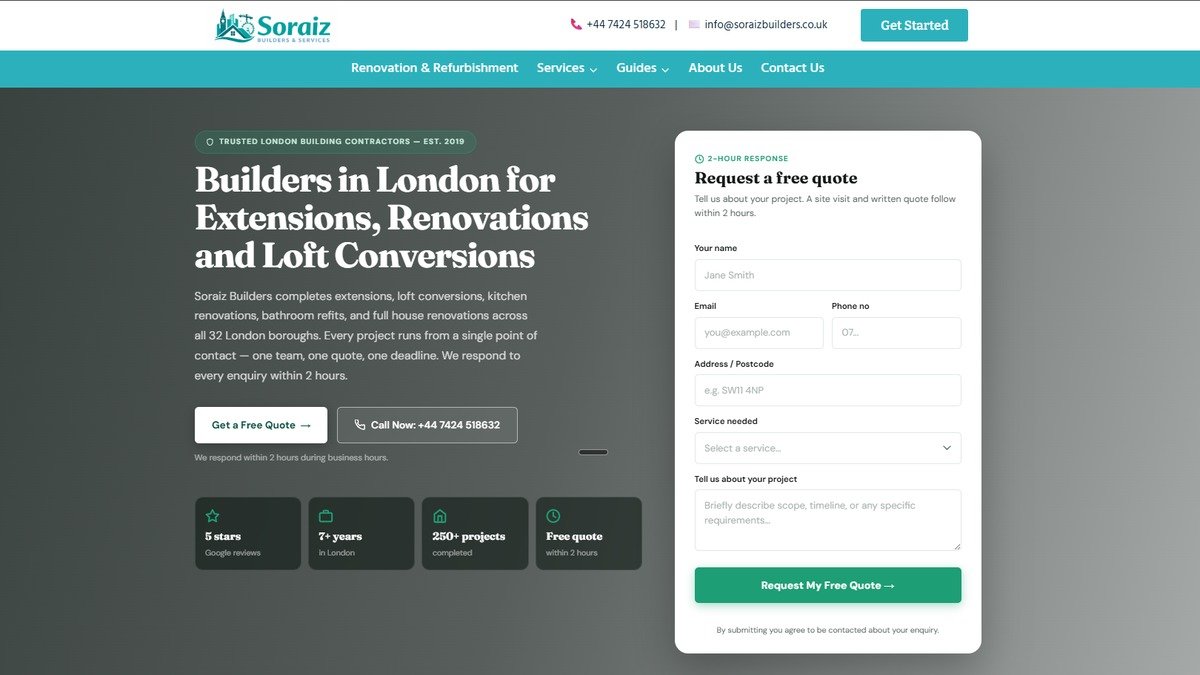
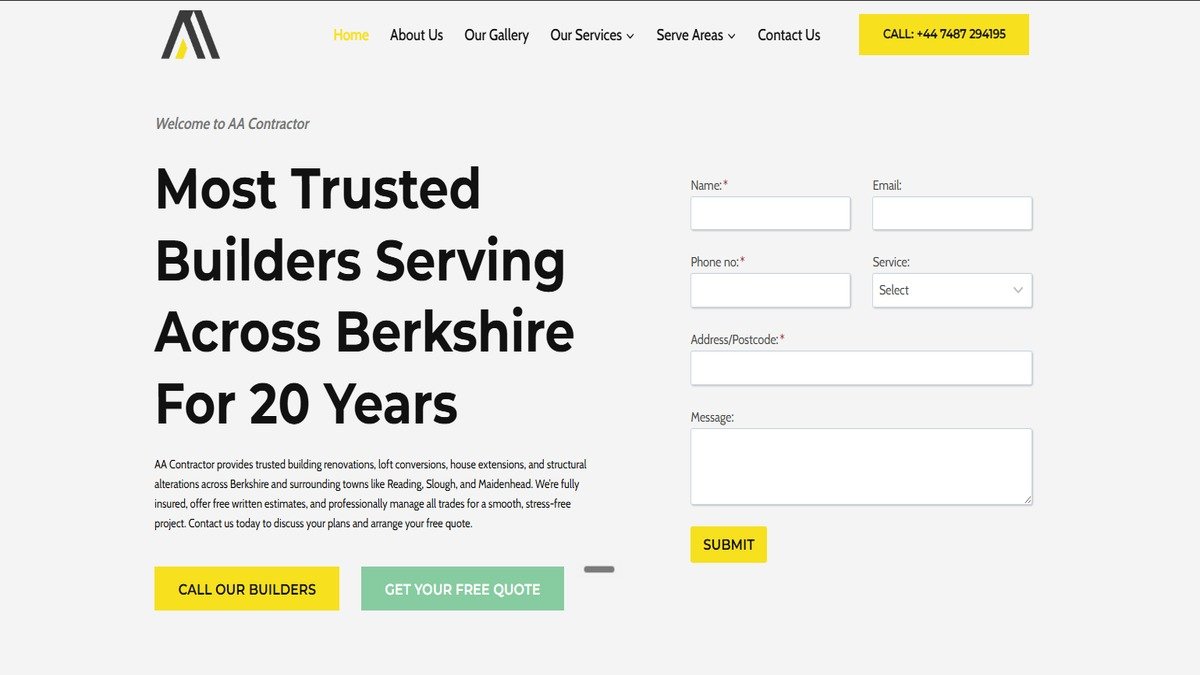
The results below are from Rankaleey’s building and renovation clients — the same local SEO system applies across UK trades, plumbing included. Website Design for Builders covers the core system in more depth; this page focuses on what’s different when emergency call-outs and seasonal demand are a real part of the job.