71% of customers who were personally referred to an electrician still Google them before making contact — a recommendation gets you considered, not automatically hired. And once someone lands on your site, 90% of UK consumers say they specifically look for proof of competence before hiring an electrician, with most wanting to see it within the first few seconds. If your NICEIC, NAPIT, or ELECSA certification isn’t immediately visible, you’ve already lost some of that trust before they’ve read a word about your actual work.
Why a Generic Website Doesn’t Work for Electrical Work
Electrical work sits under Part P of the Building Regulations — homeowners who hire an unregistered electrician have to separately notify their local council, a hassle most simply won’t bother with. That makes certification the single biggest trust signal on an electrician’s website, and it’s exactly what most generic web design agencies bury in a small footer badge instead of putting front and centre where it belongs.
There’s also a genuinely different buying pattern here than a builder’s typical project: a real share of electrical work is urgent — a tripped circuit, a dead socket, a fault after a leak — and emergency call-out rates in the UK typically run £90-150 an hour, with a 1.5-2x premium out of hours. A homeowner searching at 9pm on a Tuesday isn’t researching for weeks; they need to see you’re available and get in touch in seconds, not hunt through a slow site for a phone number.
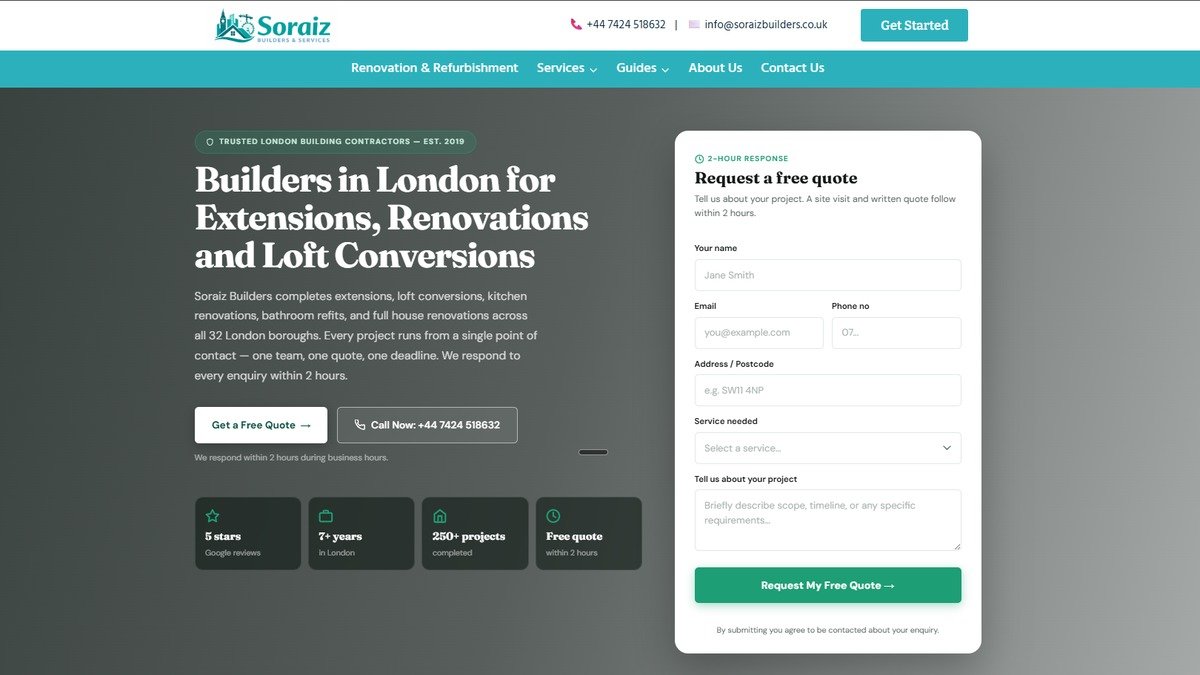
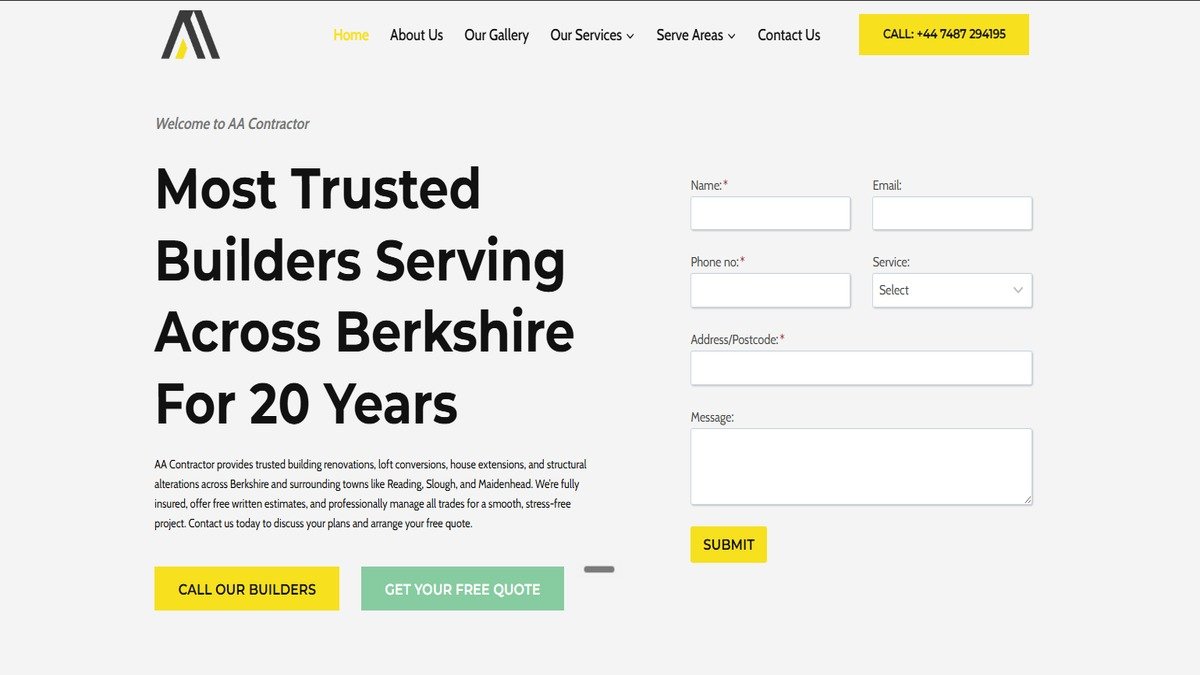
The results below are from Rankaleey’s building and renovation clients — the same local SEO system applies across UK trades, electricians included, and every package is bundled into ongoing local SEO rather than sold as a one-off build. Website Design for Builders covers the same system in more depth; this page focuses on what’s different for electrical work specifically.